
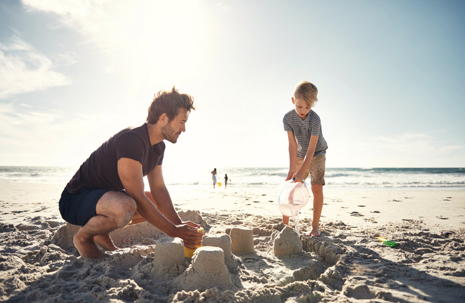
Summer can be one of the most rewarding times of the year for children, but for co-parents it can also bring vacation requests, camp schedules, travel plans, and changes to regular routines. With early planning, clear communication, and a child-centered approach, co-parents can help make summer feel fun, stable, and memorable.
The following ideas can help children stay engaged while giving both parents practical ways to coordinate activities, reduce conflict, and keep the focus where it belongs: on the children.
1. Create a Shared Summer Bucket List
A shared summer bucket list gives children something positive to anticipate and helps both parents coordinate plans before calendars fill up. When possible, keep a copy of the list at each home so children can see that both parents are supporting their summer experiences.
Ideas might include:
- Visiting local parks and nature reserves
- Going to a zoo or aquarium
- Trying a new sport or hobby
- Attending community festivals
- Having a family picnic
- Creating one shared tradition both parents can encourage, such as a weekly reading night or summer photo challenge
- Visiting a museum
- Watching an outdoor movie
2. Explore Local Attractions
Summer is a good time to discover attractions close to home. Local outings are often easier to coordinate between households and can give children meaningful experiences without complicated travel arrangements.
Consider:
- Historical sites
- Science centers
- Wildlife parks
- Botanical gardens
- Beaches or lakes
- Farm visits
3. Encourage Outdoor Activities
Physical activity supports children's health and wellbeing, and it can also help maintain routine during long school breaks. Co-parents may find it helpful to choose activities that are easy to continue at either home.
Popular options include:
- Cycling
- Hiking
- Swimming
- Mini golf
- Nature scavenger hunts
- Camping trips
- Fishing excursions
4. Plan Educational Adventures
Summer learning does not have to feel like schoolwork. Many activities can be both entertaining and educational.
Examples include:
- Library reading challenges
- Science experiments at home
- Visits to museums
- Cultural events
- Cooking classes
- Gardening projects
5. Allow Time for Friendships
Children's social lives often become more active during summer. Supporting friendships helps children maintain important connections and develop social skills.
Parents can encourage:
- Play dates
- Sports camps
- Community programs
- Youth clubs
- Sleepovers where appropriate
6. Coordinate Parenting Schedules, Travel, and Vacation Plans
Before committing camps, trips, or special events, parents should review their parenting plan or court order and confirm how summer parenting time is handled. Clear written communication can reduce misunderstandings and help children transition smoothly between homes.
Helpful steps include:
- Confirming vacation dates as early as possible
- Sharing travel details, itineraries, and emergency contact information
- Discussing camp costs, transportation, and registration deadlines
- Putting temporary schedule changes in writing
- Avoiding last-minute changes unless both parents agree
7. Consider Summer Camps and Structured Activities
Summer camps can give children structure, friendship, and opportunities to build confidence. For co-parents, camps can also help create predictable daytime routines during weeks when school is not in session.
Options may include:
- Sports camps
- Arts and crafts
- Drama workshops
- Music camps
- STEM activities
- Outdoor adventure camps
8. Prioritize Flexibility and Communication
Even with a strong plan, summer can bring unexpected opportunities, family events, and schedule changes. Flexibility is helpful, but it works best when both parents communicate clearly and continue respecting existing parenting arrangements.
Parents can help reduce conflict by:
- Discussing plans early
- Following existing parenting arrangements
- Being reasonable about schedule adjustments
- Keeping children's interests at the center of decisions
- Providing clear information about holidays and trips
9. Capture Memories Without Creating Pressure
Children do not need an elaborate vacation to have a meaningful summer. Encouraging them to document small moments can help them feel proud of their experiences at both homes.
- Scrapbooks
- Journals
- Photo albums
- Art projects
- Memory boxes
Putting Children First During Summer
For co-parenting families, summer offers valuable opportunities to strengthen relationships, create positive memories, and support children's development. Whether plans involve major holidays or simple local outings, the goal should be to provide children with a safe, enjoyable, and stable environment.
Parents should also remember that parenting plans, court orders, and written agreements may control summer schedules, travel notice, and decision-making responsibilities. Reviewing those terms early can help avoid confusion. If disagreements arise, seeking legal guidance before conflict escalates can help protect both the parenting relationship and the children's best interests.